Repair or replace your deck
Old decks usually fail at two places: where the posts meet the ground, and where the deck meets the house. What we find at those two spots decides whether new boards will do or the whole deck has to come out.
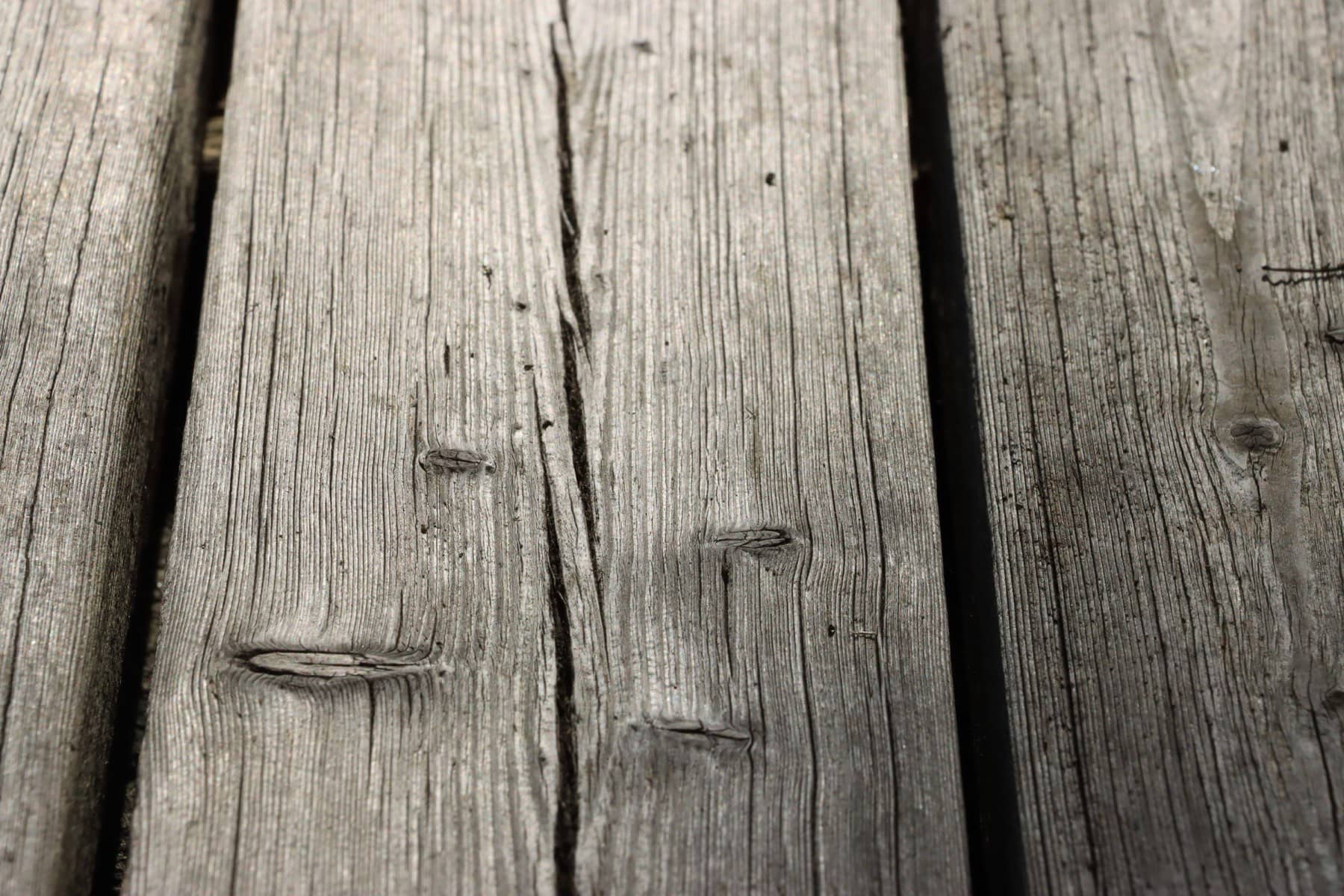
The two places decks fail
Rot and termites work up from the soil, so the posts at the ground go first. At the house, a ledger nailed on without flashing lets water into the house framing, and rusted hangers lose their grip.
Clemson Extension reports Formosan termites established in many parts of Charleston County. In a Charleston study, about 95% of the termites that got into buildings came up from colonies in the ground. That's why lumber that touches soil has to be rated for ground contact. On an older deck in North Charleston or anywhere else, we check the posts and any wood near the ground first.
Signs to look for
Soft spots, sunken boards, wood shavings, and hollow-sounding boards point to rot or pests. Rusted hangers and a wobbly railing are warning signs too. If any of those show up, have the frame checked soon.
When new boards on the old frame work
Sometimes the frame is sound and only the boards and railings need replacing. If the posts, beams, joists, ledger, and hardware all check out, new boards and railings on the old frame cost far less than a rebuild. We check each of those before we quote it that way.
Our written quote covers either path: full replacement, or new boards on the existing frame if it's sound.
When the deck has to come out
If the frame has failed, we remove the old deck, haul it away, and check the house's band board once the old ledger comes off. Rot or termite damage there adds work. New footings go in where needed, inspected before concrete, then the posts, beams, ledger, and joists.
A rebuilt deck goes up to today's code, which can mean flashing, bolts, clips, and railings the old deck never had. In the City of Charleston, a ledger can't be fastened to brick or stone veneer, so a deck at that wall has to stand on its own posts instead. The Charleston page covers the city's other deck details.
What each path costs
Our cost guide estimates $5 to $15 per sq ft for demolition and haul-off, plus the new deck, and $4,300 to $12,700 for a new pressure-treated wood deck of typical size; composite boards cost more up front. A sound frame you can keep, with only new boards and railings, brings the price down. These are estimates, not quotes, and the deck cost guide has the full table.
Either way, the deck replacement page covers what's included, step by step.
Questions homeowners ask
Can I just replace the boards?
Sometimes. If the posts, beams, joists, ledger, and hardware are sound, new boards and railings cost far less than a rebuild.
Will a rebuilt deck have to meet current code?
Yes. A permitted rebuild is inspected to today's rules, which can mean a flashed and bolted ledger, lateral ties, hurricane clips, and taller or tighter railings.
How can I slow down rot and termites?
Keep wood up off the dirt and check the posts now and then. Both cost little.